
The Father I Knew, The Man I’m Still Learning
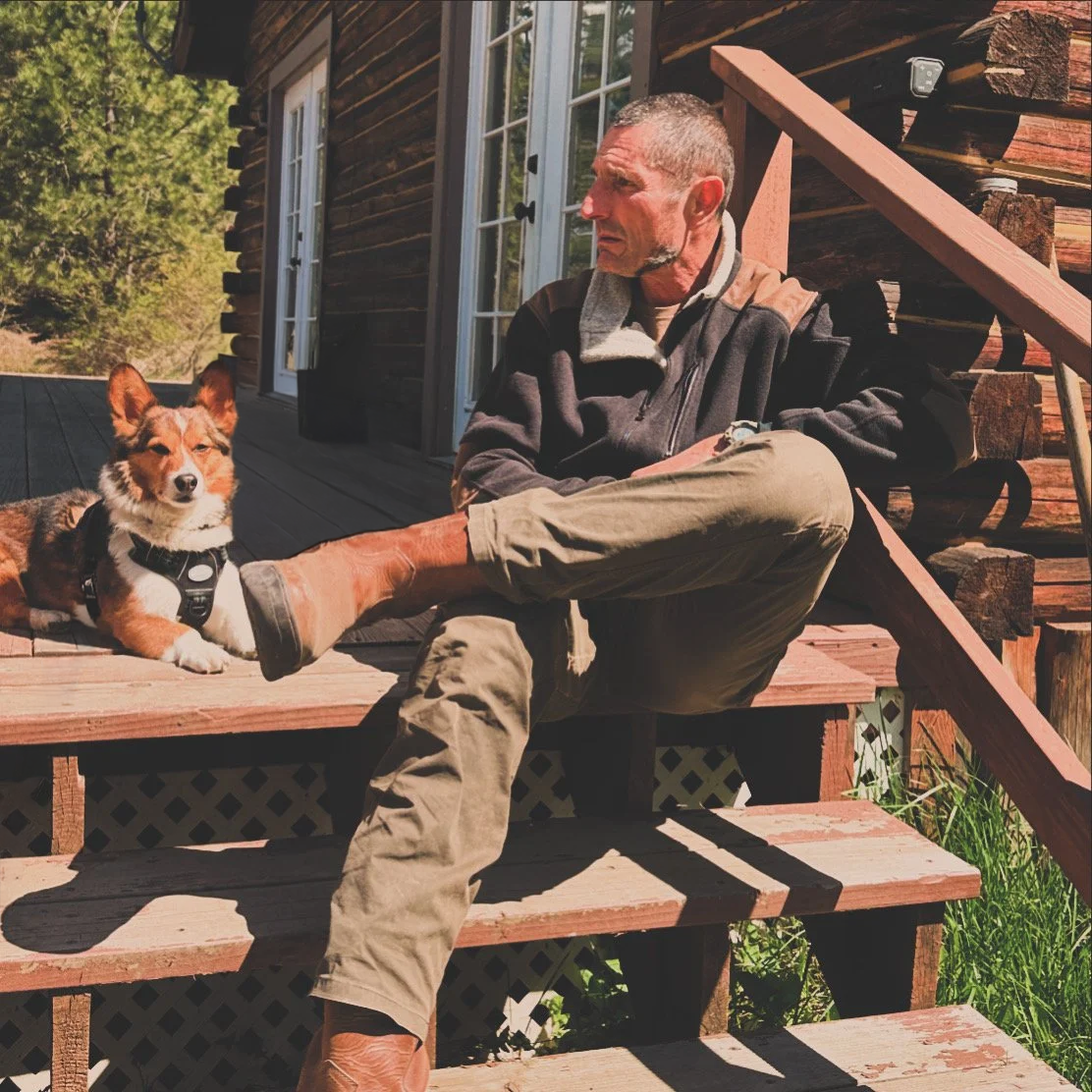
“Two old men sitting in the sun” - 2024
Earlier this year, my dad — Brad Robinson — took his own life, just days before his 61st birthday, leaving my family reeling with shock and grief.
It seems especially cruel that just a little over a year ago we were grieving the loss of his mother, my Nana, the matriarch of the family. Now I’m back here writing about his sudden departure from our lives, trying to make sense of it, when in reality, we never will.
If you are family or friends and this is how you’re finding out, I’m deeply sorry. My family didn’t post anything online about his death. We didn’t even have a funeral, only a small memorial with myself, my mom, brother and a few of their closest friends up in Idaho. The Robinsons are very private in their grief.
I decided that I needed to write something as a way to heal not only from his departure, but from things we left unsaid. What I’m sharing here is only one vantage point — a daughter’s imperfect attempt to trace the outlines of a man far too complex for any single account to capture.
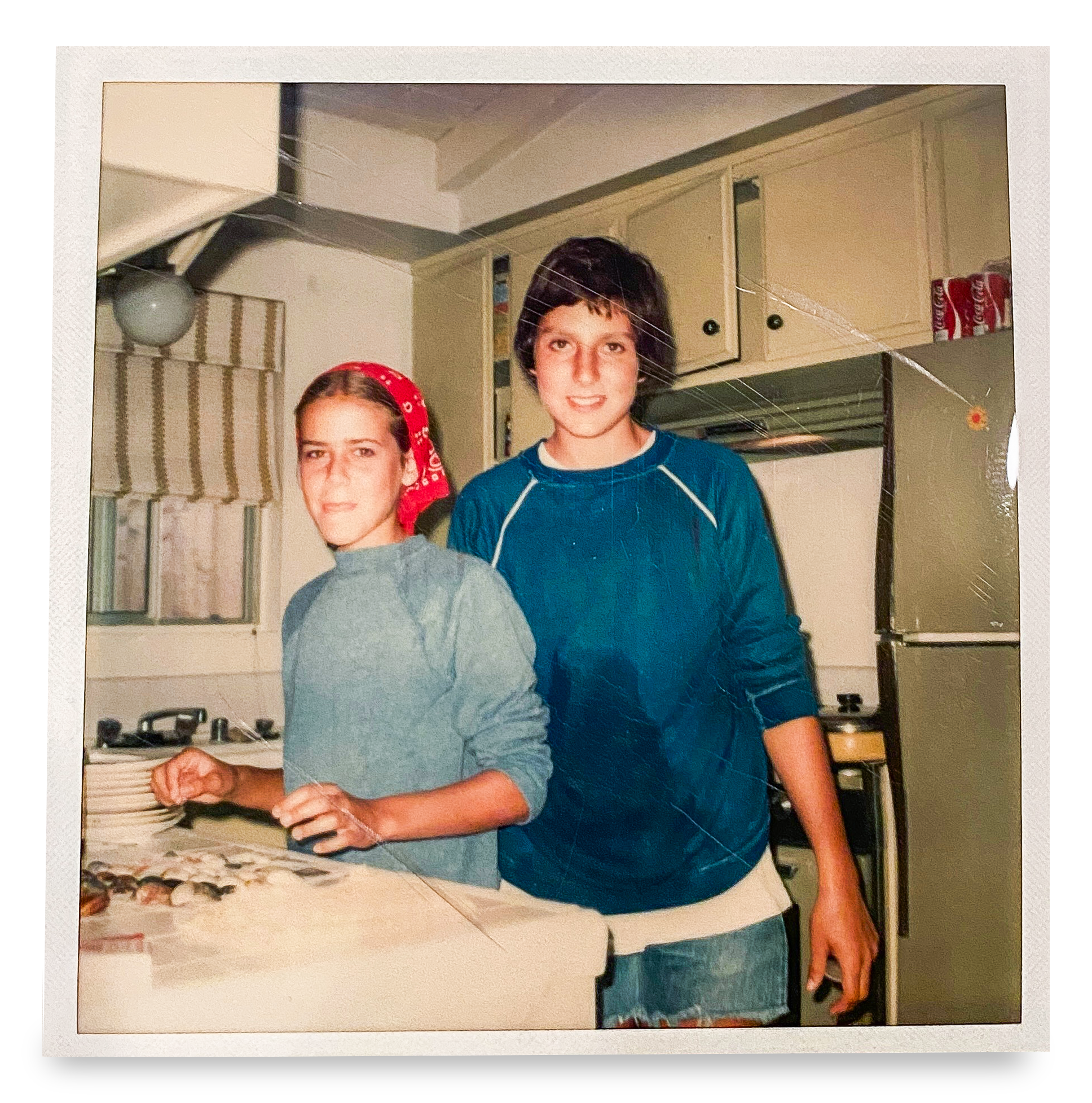
Dad & cousin Lisa - Courtesy of Lisa Young
My father grew up in the 60s and 70s among the untamed hills and dusty orange groves of Anaheim, California — a landscape that shaped his boldness, his confidence, and his restless spirit. He spent his days riding dirt bikes, building model airplanes, and practicing amateur taxidermy. He spoke of his childhood with fondness, offering colorful stories of a “boys will be boys” kind of youth: wild, carefree, and largely unsupervised. He took after his father physically, with a tall, lean frame and long limbs, and he carried his physical fitness as a point of pride for the rest of his life. His older brother Lance had the artist’s soul and the extrovert’s charm, while my dad was more reserved and drawn to math and science. He went on to attend the University of Utah and, much to my grandfather’s disappointment, chose not to follow the family’s path into dentistry.
Ever the trailblazer, he made his own path toward the FAA Academy in Oklahoma City, where he underwent one of the most rigorous and stressful training processes in the U.S. workforce. With all his hard work, he completed his training and took his first job as an air traffic controller in Alaska. Shortly after, he met my mom and me, and less than a year later they were married.
Looking back on the story of his early life, I’ve started to understand him not just as my father, but as a young man finding his way.
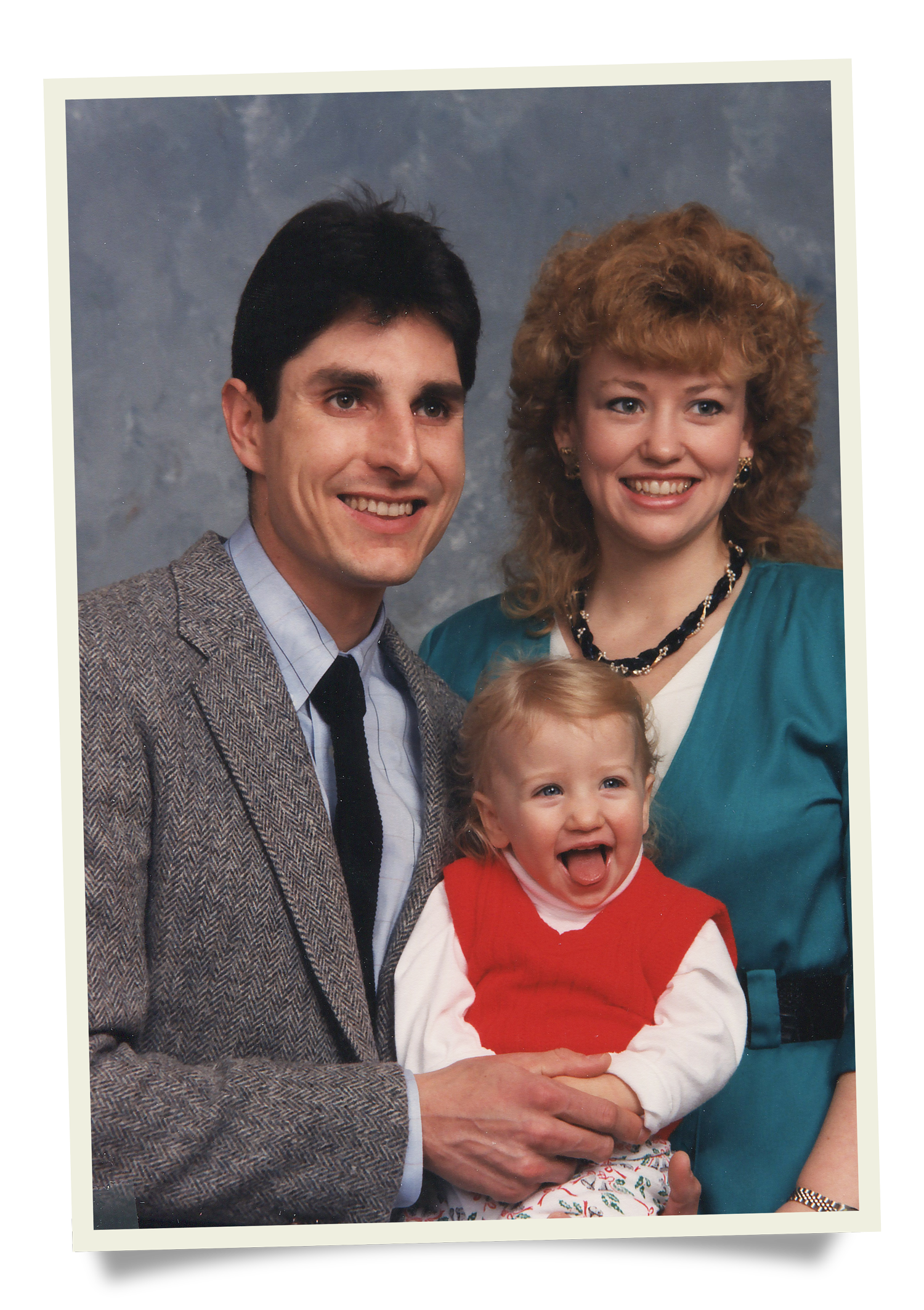
Loretta’s adoption day ~1989
I try to imagine what it was like at his young age of 25, meeting a woman with a baby and deciding so quickly to elope and start being a family. He assumed the responsibility of husband, provider, protector, and father with one “I do.”
But that was my dad — so sure of himself and what he wanted in life
A few years later, my brother Tom was born and our family unit was complete. Looking back at the few photos I have from early childhood, I can see evidence of his eagerness to be a good father. He tried to share the things he loved most: camping, fishing, hunting, motorcycles, John wayne movies, pocket watches, and model air planes. Tom soaked up some of those hobbies, bonding with him the way sons often do.
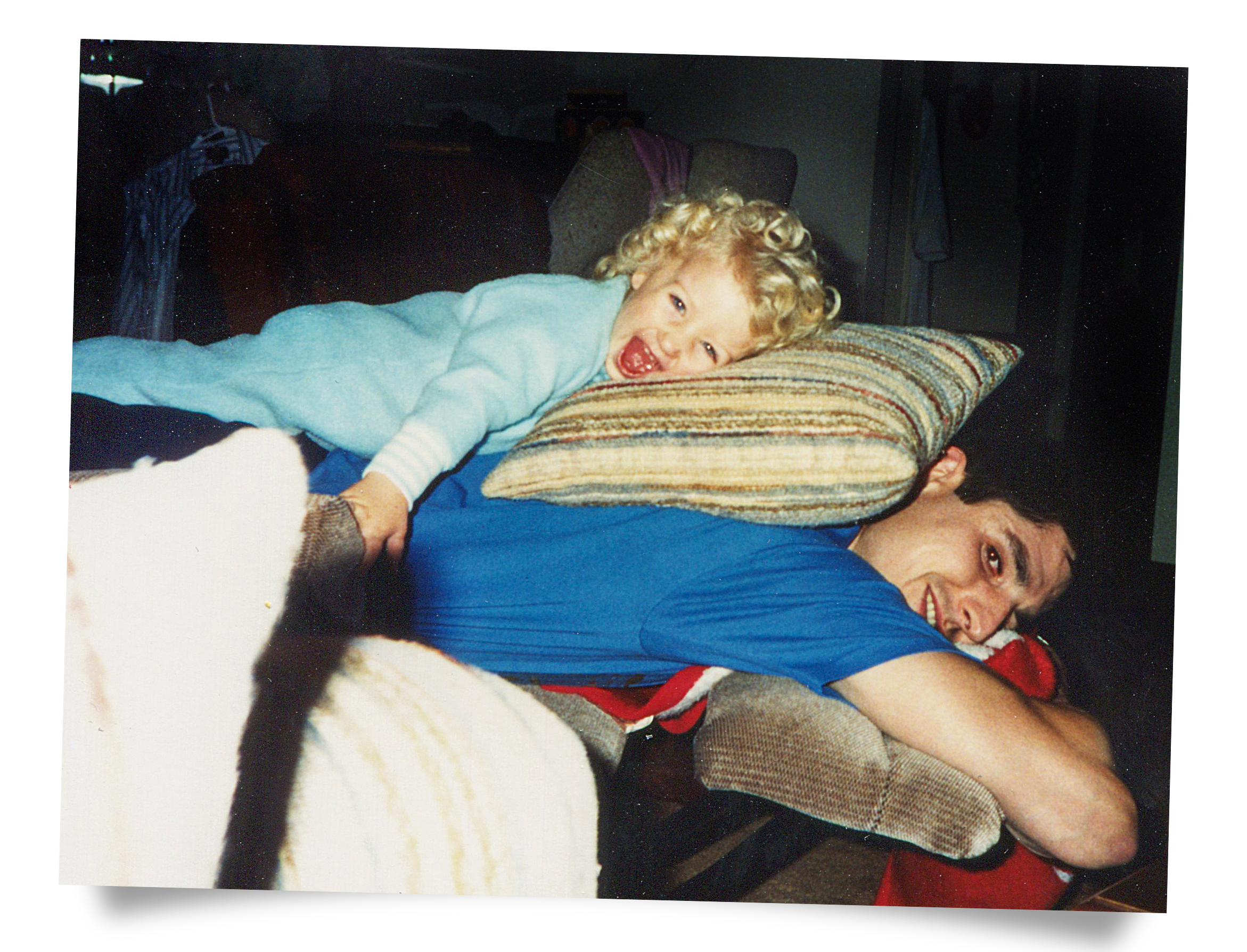
And yet, I was an entirely different creature. I hated the outdoors, preferring the comforts of my inner world — coloring on the walls of my playhouse and watching The Little Mermaid on repeat.
I often wonder if he felt rejected by my lack of interest in the things he loved, passions I can only truly admire now as an adult.
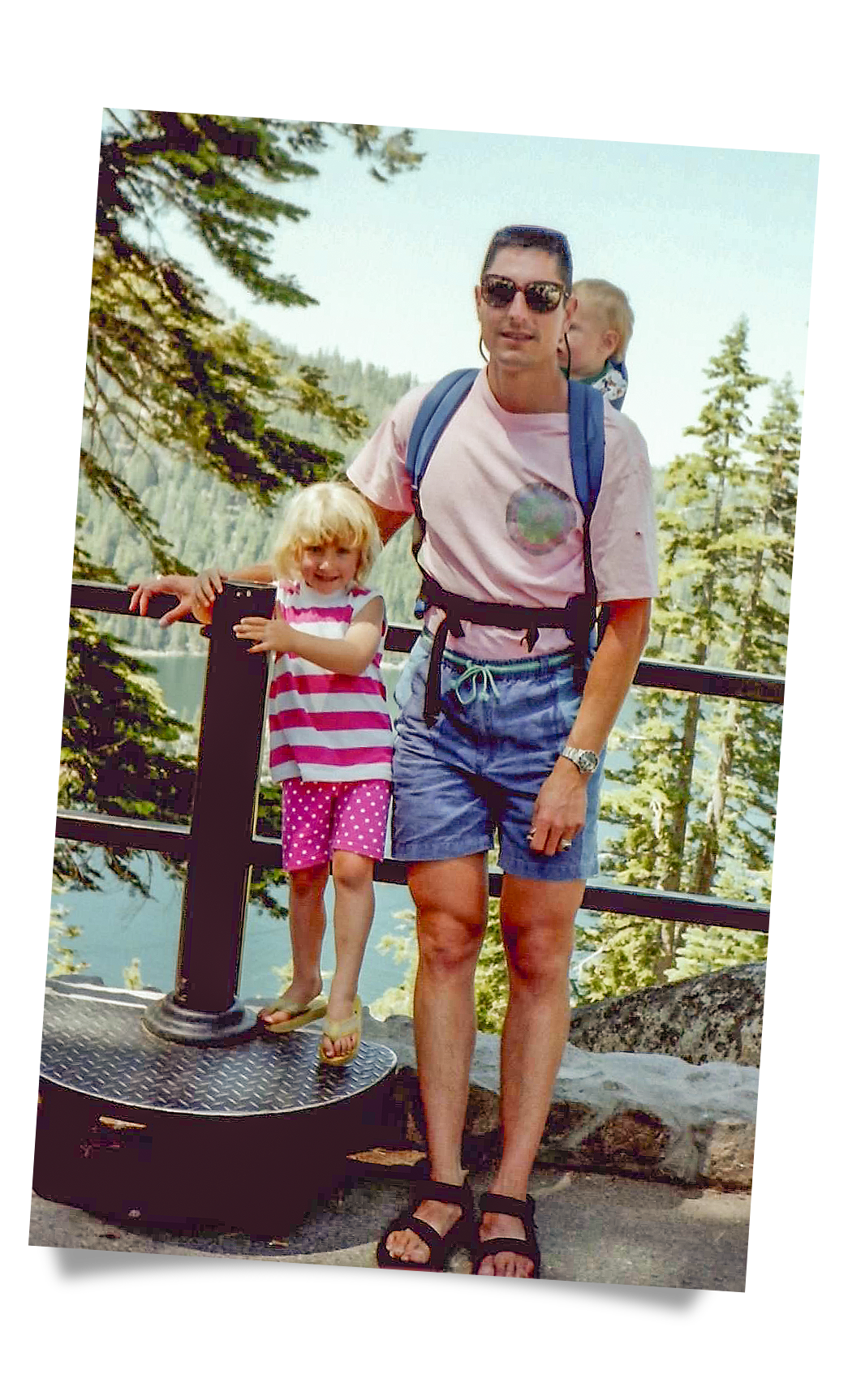
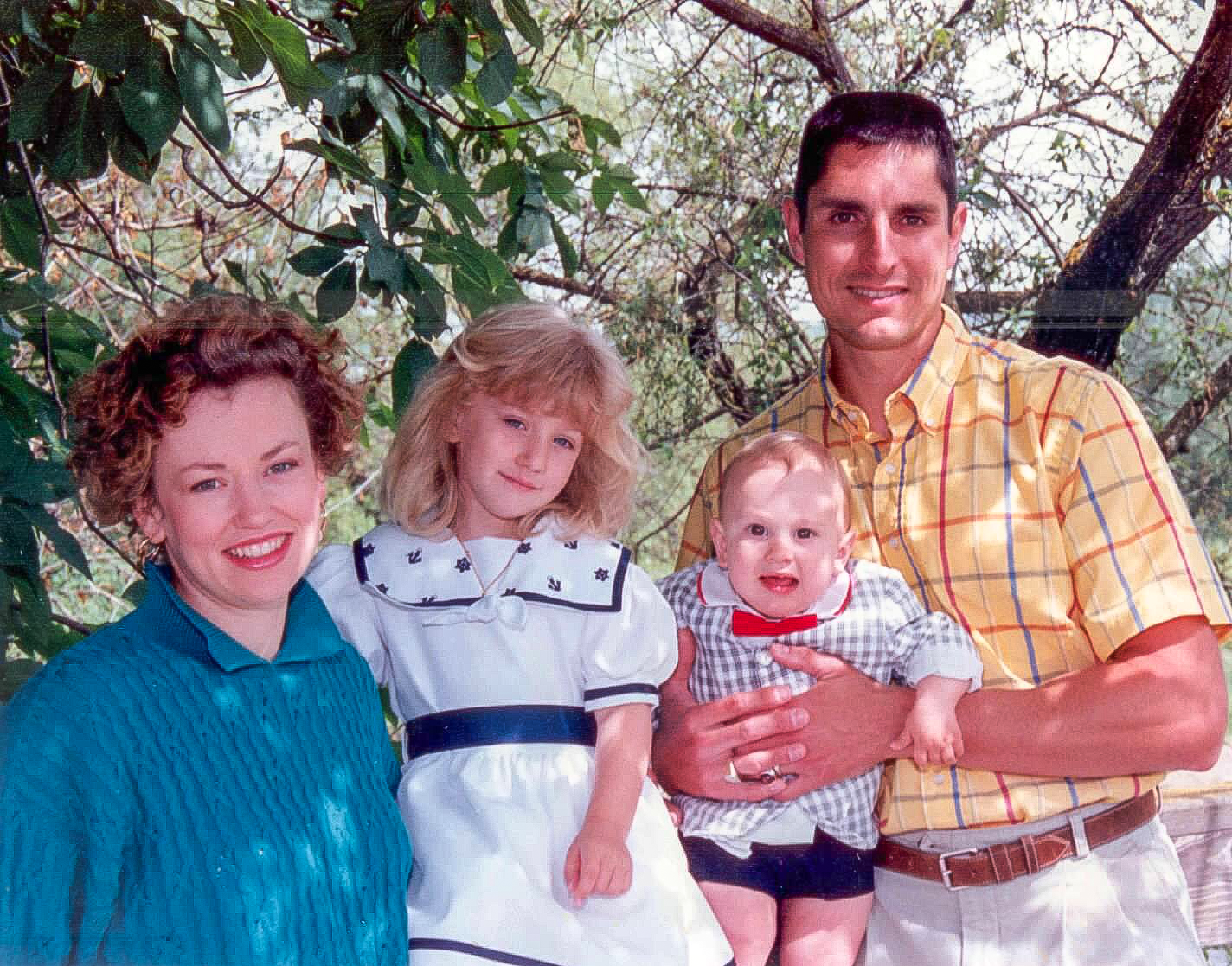
Family portrait, Petaluma, ~1993
My dad was a proud and confident man. He wore his authority like a leather jacket — visible, tough, impossible to ignore. He had a natural magnetism that drew people in, made strangers want to know him, made other men stand a little closer hoping something about him might rub off. When he was warm, he was larger than life — loud, funny, fiercely engaging. But he was also a man of strong opinions, and when contradicted, his warmth could evaporate into something cold at the edges. There was rarely room for anyone else’s view. Only Brad’s. This was the version of him I grew up under — a complex, commanding presence who loved deeply but carried his authority like armor.
I learned early that his warmth shone brightest when I was achieving something. It often felt like love had to be earned — accessed through accomplishment and effort. And I wonder now if he held himself to the same impossible terms, believing he had to earn love, respect, and acceptance by never slipping, never faltering, never letting anyone see him struggle.
As I grew into adolescence, the differences between us grew sharper. I was coming of age in the early days of the internet — AOL instant messaging, Geocities websites, Neopets, endless pop-ups and phishing scams — all against a backdrop of nightly news stories warning parents about predators online. I was imaginative, expressive, and eager to explore this new medium. He was protective, anxious, and convinced that danger lurked behind every keystroke and click of the mouse.
I try now to see things through his eyes. How terrifying it must have felt to raise a headstrong, emotional teenage daughter who withdrew, kept secrets, and bent herself to please others. How clearly he must have seen what could happen and how desperately he tried to prevent it.
Looking back, I can see how many of our hardest moments were misunderstandings that spiraled too far. My well-intentioned mistakes were often interpreted as willful defiance. Over the years, it felt as though every fault and misstep had been written onto an invisible ledger — one that never faded, no matter how much time passed or how good my behavior became.
By the time I was in high school, our relationship was so frayed that I did everything I could to be invisible, to avoid provoking his disappointment. I hid in my room. I worked multiple jobs. I stayed out of the house as much as I could. My avoidance hardened into resentment — a quiet, stubborn defiance neither of us knew how to name. Over time, that resentment cooled into a softer ache — a sadness and grief rooted in the simple wish to be truly seen and accepted by him, and perhaps a realization that I didn’t always see him clearly either.
And I’ve come to realize that for decades he carried the weight of an air traffic controller’s life — long nights, constant vigilance, and the demand for unshakeable precision in moments where other people’s lives depended on his voice. I didn’t understand that as a child; I only felt the distance, the intensity, the moments when he seemed on edge, and I internalized them as something I had caused. But now I can see it wasn’t about me at all — it was the toll of a lifetime of pressure, carving itself into him and shaping how he showed up at home.
But people change, often in ways we never expect.
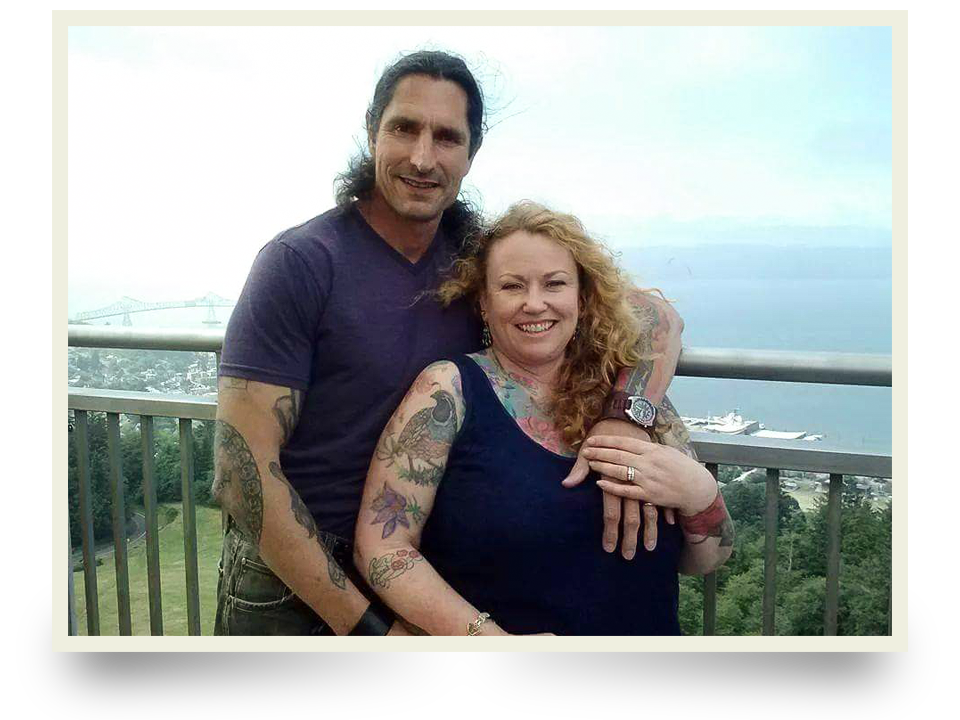
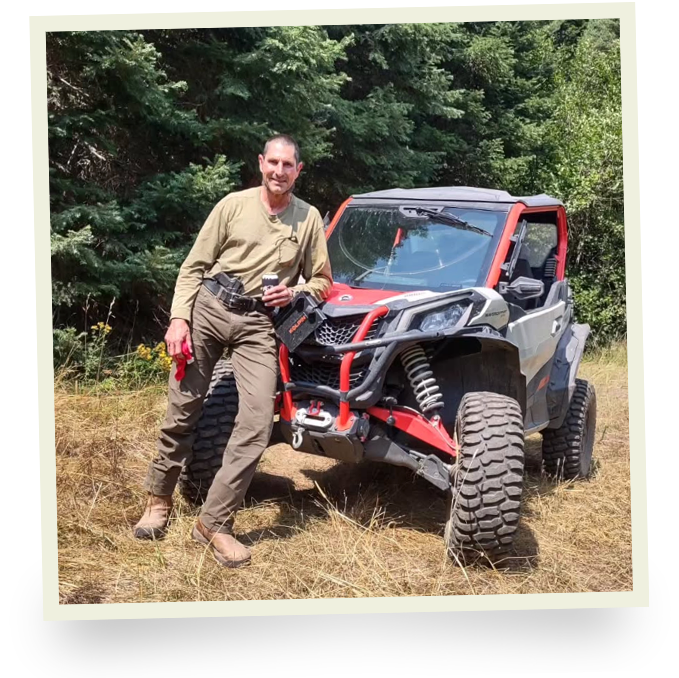
Dad and Fido, his buggy
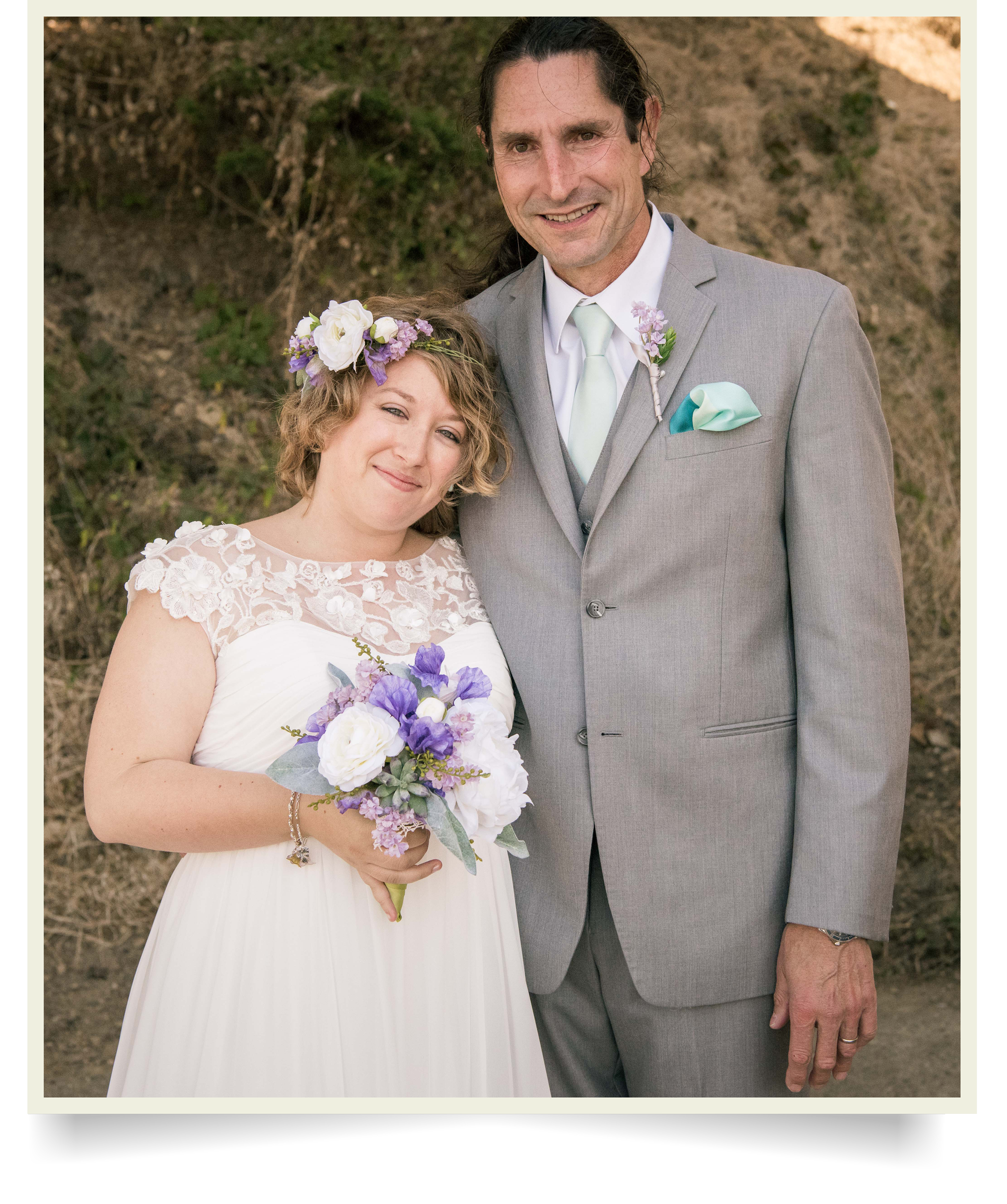
Loretta and Jeremy’s wedding 2016
Once he retired, it was as if he finally let himself exhale. He grew out his hair, covered his body in tattoos, smoked weed, did yoga. He and my mom sold the house, bought a fifth wheel, and spent years roaming the country with no fixed plan and no real commitments — just the open road and a sense of freedom I had never seen in him before.
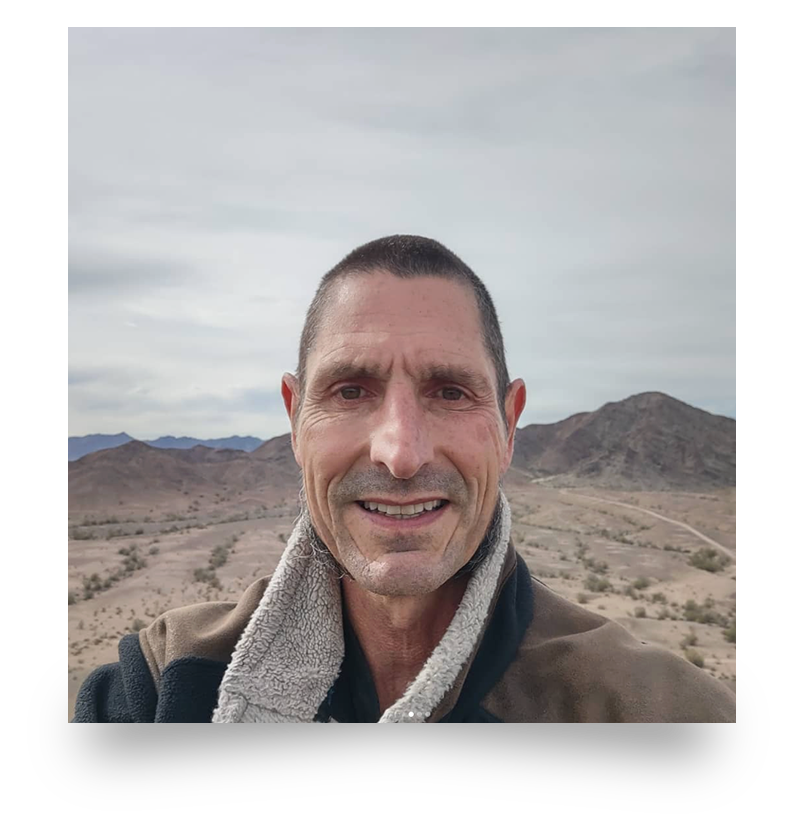
They made friends easily. They camped under unfamiliar skies, joined little pockets of traveling communities, and built a life that was softer at the edges. As he grew older, my dad preferred the quiet margins of the world — the vast desert around Quartzsite and the mountain trails near their Idaho property — drawn to remote places where the landscape stretched out around him.
And then he became a grandfather.
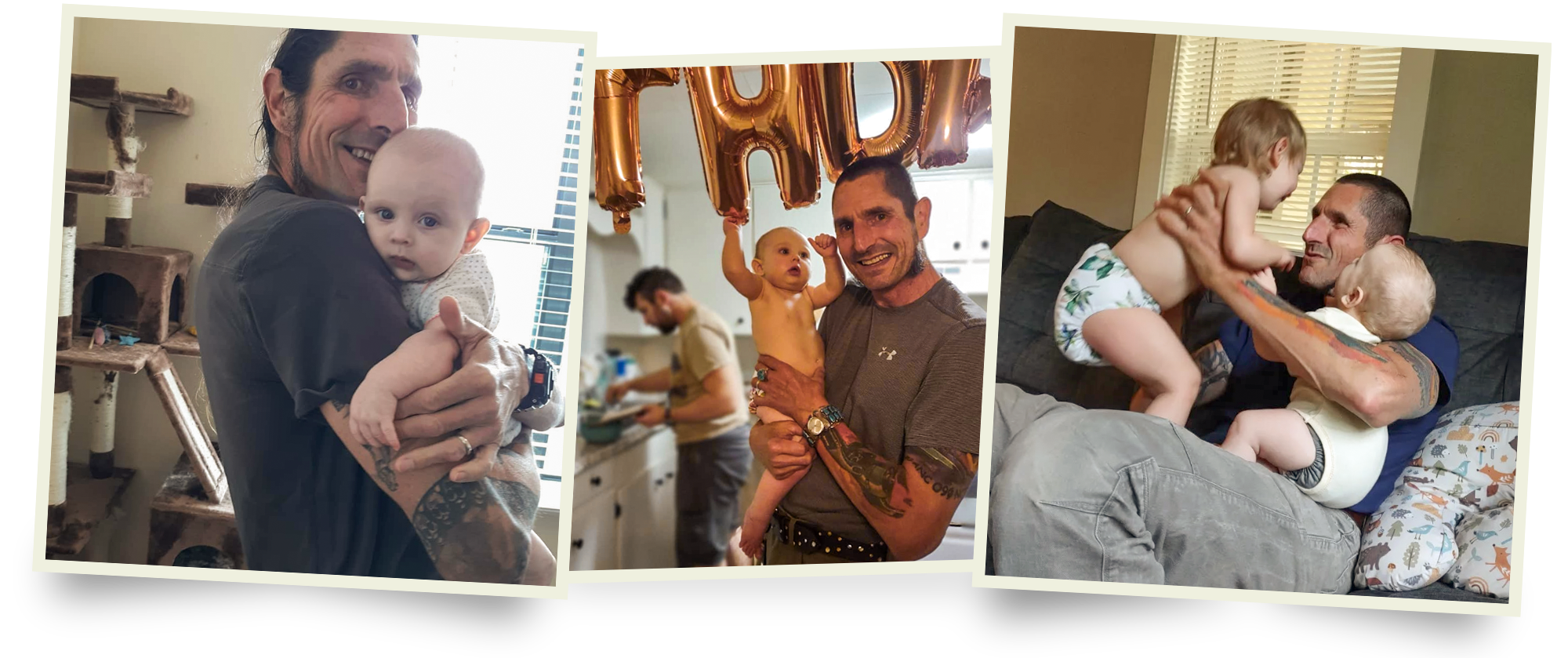
I watched him in photos with my nieces and nephew — this man who had once been so rigid with me, now warm and openly affectionate. He laughed easier. Hugged longer. He seemed lighter, happier, as if the baby laughs and giggles and screeches gave him a new sense of purpose.
And I ached from afar at the affection he showed them — because I recognized that tenderness he had when I was small, before it hardened with the pressures of life and my growing up.
It was a grief for what faded, for the father he had been in my earliest years, and for the softer relationship we might have held onto had things been different. He became, with them, a version of himself I once knew and sometimes wished could have remained.
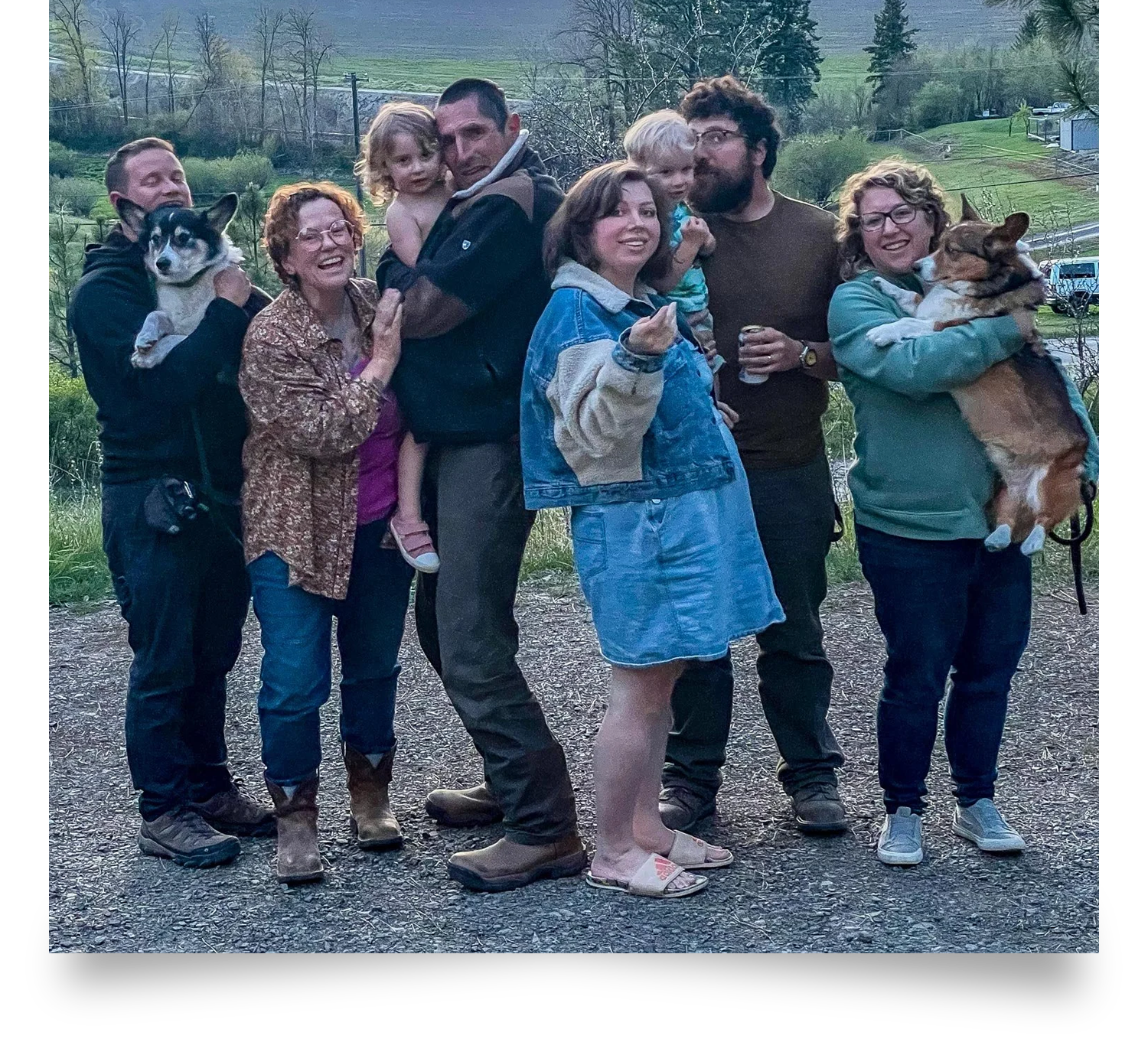
The last photo we all took together. April 2024
I realize now that he likely had his own inner critic — that the icy judgment I felt from him may have lived inside his own mind long before it reached me. We will never know. I still struggle to reconcile the confident and strong man I knew with the man who ended his life so abruptly. And it's painful knowing that while we were closer than we had ever been these last few years, things still felt unfinished, and a part of me feels let down.
But we can never truly know how heavy things are inside someone else. My dad never let us into his secret world. He never showed us vulnerability, or fear, or the quiet places where pain collects.
It still hurts to think about him, and his voice of judgement still resounds loudly in my head, but I’m comforted by the things that remind me of him at his happiest: the smell of an oil-stained garage; the glint of his gold pocket watch on my desk; the carved ivory owl he gave me from his travels; the small pieces of him scattered through my life that still spark memory and love.
And even though our relationship was complicated, I’m proud of the person I’ve become. In some strange way, the challenges between us helped forge parts of me I value now — resilience, empathy, and the ability to understand others deeply. If our relationship had been different, I might not have grown into the person I am today.
His death has taught me this: pain doesn’t always announce itself.
Sometimes it hides behind confidence, competence, or the roles we’re expected to play — especially for older men who were taught their whole lives to keep their struggles out of sight.
No one is perfect. And none of us truly know the weight another person carries. So this is the only ending I have, the one I wish he could have heard:
“Dad, I’m sorry we didn’t see it. I forgive the ways your hidden struggles shaped me, and I love you — then, now, always.”
If you or someone you love is struggling, please reach out.
Call or text 988 in the U.S., or visit 988lifeline.org to chat online.
For international helplines: opencounseling.com/suicide-hotlines
You are not alone.
